
Humanizing Productivity - Understanding the Impact of Biology on Productivity
Biology determines productivity more than any app or method — cortisol, reproductive hormones, thyroid function, sleep architecture, and genetic chronotype all create the neurological conditions in which your best work either happens or does not. Reviewed by neuroendocrinologist Dr Jess Chadwick, this post makes the science-backed case for humanizing productivity: aligning task type to biological state, using the menstrual cycle as a 28-day operating system for cognitive planning, and replacing one-size-fits-all output expectations with biology-based performance frameworks that prevent burnout and sustain long-term performance.
Reviewed by Dr Jess Chadwick, Clinical Advisor, Neuroendocrinologist, Medical Consultant at Phase. Jess is also a member of the Society for Endocrinology.
Introduction
You've tried the 5am club. You time-block your calendar. You Pomodoro your way through tasks. And still, some days your brain works, and other days it feels like you’re wading through treacle.
This isn’t because you lack discipline. It’s because you're ignoring biology.
Productivity advice treats humans like machines with consistent inputs and outputs. We’re all expected to wake up at the same time, work in the same blocks, maintain the same energy. But we’re not machines running on code. We’re a biological system with hormonal fluctuations, circadian patterns, sleep requirements, environmental sensitivities, and genetic predispositions that change what we're capable of - hour by hour, day by day, week by week.
The hard truth is that your body has a unique operating system. Productivity culture just pretends it doesn't exist.
Over the course of the coming few months, we’ll be taking a deep dive into the biological systems that determine when you can focus, create, decide or even stay awake. We’ll review the science, and the mechanisms which determine productivity - which go much further than simple productivity methods - and we’ll provide you with proactive advice on how to work with, rather than against your body, to build your productivity in a more sustainable way.
Expect a deep dive into:
- Hormones: Your Body's Productivity Operating System
- Sleep: Your Brain's Required Maintenance Cycle
- Environment: The External Forces on Your Biology
- Genetics: Your Biological Baseline
- How These Systems Interact (And Why That Compounds Everything)
- What to Do About It - How to Work with Your Biology.
Interested? Then read on for a sneaky peek into some of the insights we’ll be sharing over the coming weeks.
1. Hormones: Your Body's Productivity Operating System
What They Actually Do
Hormones are chemical regulators of the human body that maintain various processes, and different types of hormones produce different outcomes for the human body and mind. They're not just about reproduction or mood. They directly regulate cognitive function, energy availability, stress response, and how your brain processes information.
The Hormones That Run Your Workday - A Sneak Peak
Cortisol peaks naturally in the morning - this is your cortisol awakening response. This creates your best window for complex cognitive work, typically 2-3 hours after waking. Chronic stress, which keeps cortisol high, flattens this curve, and suddenly you have no peak performance windows at all - just a constant hum of low-grade exhaustion.
Reproductive hormones affect everyone. For menstruating individuals, this means a 28-day(ish) productivity cycle where your capacity for difficult conversations, creative brainstorming, and analytical work fluctuates. For non-menstruating individuals, daily testosterone fluctuations still affect confidence, risk-taking, and competitive drive.
Thyroid hormones regulate your metabolic baseline - how your body processes nutrients and fats, which can impact mental processing speed. Subclinical thyroid issues affect millions (often undiagnosed), which is why some people have consistently lower baseline energy regardless of sleep or nutrition, which once again, will impact your productivity.
Insulin and blood sugar determine whether your brain has fuel or is running on fumes. Blood sugar crashes equal brain fog and irritability. So what you eat for lunch literally determines whether your 2pm meeting will be productive or a waste of everyone's time.
Deep dive: [How Hormones Control Your Productivity (And What to Do About It)] *(coming soon)*
2. Sleep: Your Brain's Required Maintenance Cycle
What It Actually Does
Sleep is precious time, when your brain performs critical maintenance that determines tomorrow's productivity. You can't hack your way out of insufficient sleep. Your brain requires specific sleep stages to prepare for the next day and to fully function.
The Four Stages That Run Your Cognition
REM sleep handles emotional regulation, creative problem-solving, and memory consolidation. Skip this and you'll be irritable, unable to think laterally, and forget half of what you learned yesterday.
Deep sleep (Stage 3) manages physical restoration, declarative memory processing, and clears metabolic waste from your brain. Insufficient deep sleep means poor decisions, slow processing, and that foggy feeling no amount of coffee fixes.
Light sleep processes memories and consolidates learning. This is where your brain sorts and stores information from the day.
Sleep debt is real and cumulative. Cognitive deficits appear after even partial sleep restriction. You might feel fine on low sleep for a few days, then suddenly crash hard. That's your brain's maintenance backlog catching up.
The Circadian Connection
Your sleep-wake cycle is biologically determined (more on this in genetics), whilst light exposure determines sleep quality and timing. Social jet lag when your work schedule doesn't match your biological schedule, can create chronic fatigue. This is why night owls forced into 9am meetings consistently underperform. Not because they're lazy. Because their biology is running three hours behind the clock.
Why This Matters
Poor sleep disrupts hormone production (cortisol, insulin, reproductive hormones). Hormonal changes affect sleep quality (progesterone, estrogen). It's bidirectional. When one system suffers, there are ripple effects across both systems.
Deep dive: [Sleep and Productivity: Why Yesterday's Rest Determines Today's Output] *(coming soon)*

3. Environment: The External Forces on Your Biology
What It Actually Does
Your surroundings aren't neutral. Temperature, light, noise, air quality, and seasonal changes all trigger biological responses that affect your cognitive performance.
The Environmental Variables Tanking Your Focus
Light is the master clock regulator. Blue light suppresses melatonin and affects circadian timing. Natural light exposure improves alertness, mood, and sleep quality. Seasonal light changes affect hormone production and mood (hello, seasonal affective disorder). That is all to say - your basement office with fluorescent lights is literally killing your focus.
Temperature has a narrow optimal range for cognitive work. Cold stress increases cortisol and reduces fine motor control. Heat impairs executive function and increases fatigue, so that overheated conference room? Everyone's decision-making just dropped 20%.
Noise increases cognitive load differently depending on the work type. Open offices increase cortisol and reduce complex task performance. Some people are more sensitive to auditory distractions (genetic component). The result? Headphones aren't optional for deep work - they're survival gear.
Air quality is an invisible variable. CO2 levels affect decision-making and cognitive function. Poor ventilation reduces performance, often without you noticing, meaning that stuffy meeting rooms can lead to bad decisions - reminder to open a window for a fresh breeze.
Why This Matters
You're not operating in a vacuum. Your body responds to environmental inputs constantly. Control what you can (temperature, noise, light), and adjust your expectations when you can't.
Deep dive: [Why Your Environment Is Sabotaging Your Focus (And How to Fix It)](#) *(coming soon)*
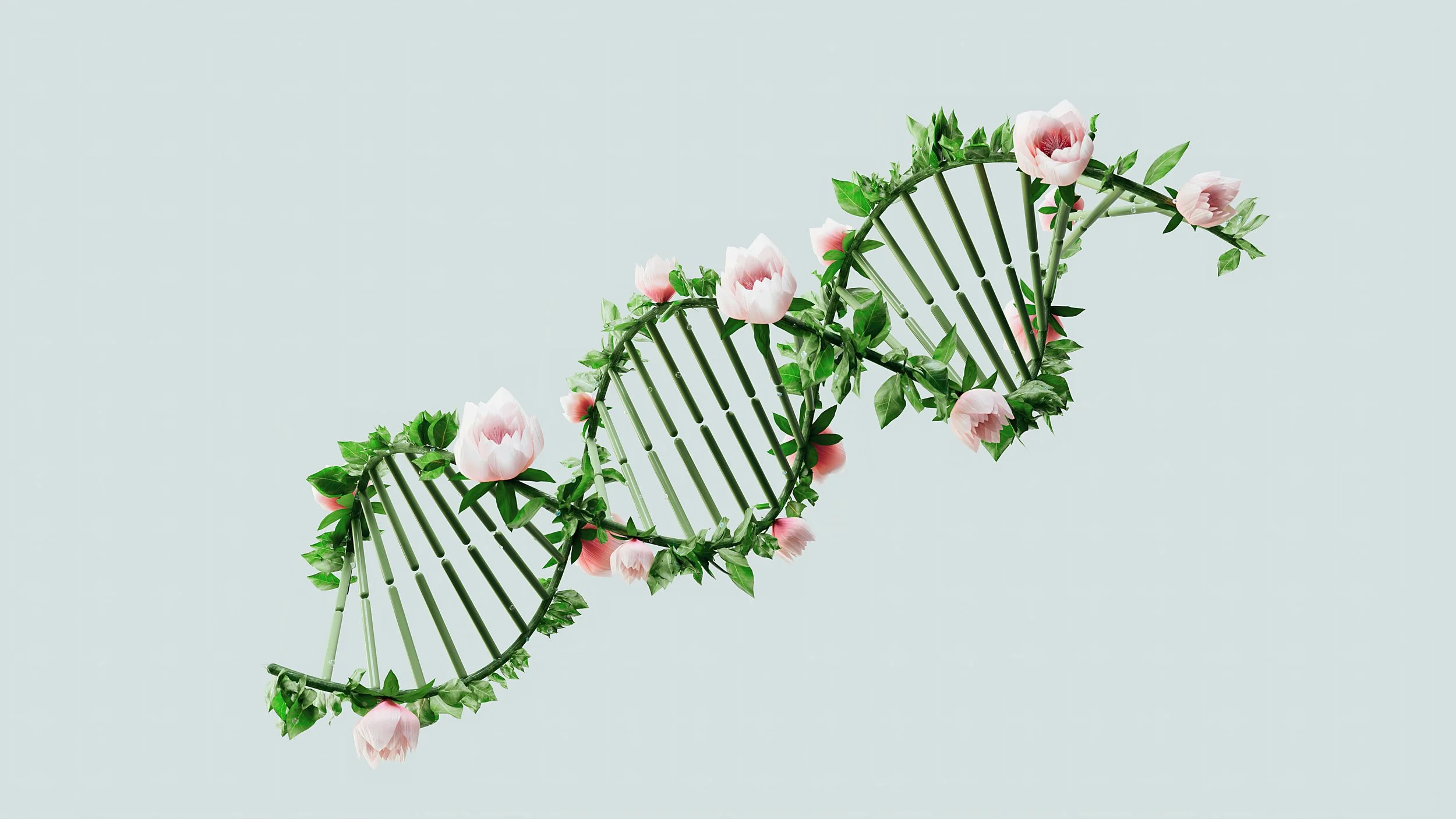
4. Genetics: Your Biological Baseline
What It Actually Determines
You're not deficient because you can't wake up at 5am or because open offices drain you. You're genetically different. Which is why there is no single productivity method that works for everyone. Here are just a few examples of how genetic variability can impact productivity drivers.
The Genetic Variables That Change Everything
Chronotype is 40-50% genetically determined by genes like PER3. Morning people, intermediate types, and night owls have different peak cognitive windows. Social jet lag affects 70% of the population because work schedules ignore biological timing. Forcing yourself into a non-native schedule creates chronic stress and underperformance.
Stress response varies genetically. Some people have more reactive HPA axes and clear stress hormones more slowly (COMT gene variations). High-pressure environments energize some people and destroy others. This isn't weakness. It's biology.
Caffeine metabolism is determined by the CYP1A2 gene. Fast metabolizers can drink espresso at 5pm and sleep fine. Slow metabolizers get anxious and can't sleep.
Neurotransmitter processing affects motivation, reward sensitivity, mood baseline, and stress resilience through dopamine and serotonin receptor variations. Some people thrive on novelty; others need routine. Neither is better. They're just different biological operating systems.
Why This Matters
You can't change your genes. But you can stop trying to become a different person and start optimizing for who you actually are. Personalization beats one-size-fits-all every time.
Deep dive: [Your Genes Determine When (And How) You're Productive] *(coming soon)*
How These Systems Interact (And Why That Compounds Everything)
Your biology isn't built by separate systems. It's a network. For examples:
- Poor sleep disrupts hormones. Disrupted hormones increase stress responses. Increased stress worsens sleep. Repeat.
- Hormonal changes alter temperature regulation. Temperature affects sleep. Sleep disruption tanks cognitive performance. Repeat.
- Genetic chronotype mismatch creates social jet lag. Social jet lag reduces sleep quality. Poor sleep quality disrupts hormones. Repeat.
You can't optimize just one variable. Your most productive work structure accounts for all biological factors simultaneously.
How to work with your biology for improved productivity
Stop fighting your biology. Start working with it.
Step 1: Track your natural patterns. Energy levels throughout the day. For menstruating individuals, energy patterns across your cycle. Sleep quality. Environmental triggers. Notice when complex decisions feel easier, when creative thinking flows, when detail work is less frustrating.
Step 2: Match task types to biological states. High-energy windows get strategic planning, difficult conversations, creative problem-solving. Moderate-energy windows get execution, writing, collaboration. Low-energy windows get admin, editing, routine work. Very low energy windows? Rest. That's productive too.
Step 3: Redesign your schedule around biology, not convention. If you're a night owl, negotiate flexible hours. If you menstruate, block your calendar differently each week based on cycle phase. If you're environmentally sensitive, work from home during deep focus tasks.
Step 4: Set expectations based on biological reality. Stop comparing your output to others - they have different biology. Adjust productivity metrics to measure quality over hours logged. Recognize that consistency across time is a myth for biological systems.
Step 5: Use tools that account for biology. Generic time-blocking ignores your energy patterns. Habit trackers expect daily consistency. Productivity systems are designed for non-menstruating morning people. You need something better.
Phase tracks your cycle, learns your patterns, and tells you what kind of work you should be doing today - not in an ideal world, but right now with your actual biological state. It handles the complexity so you don't have to.
Complete guide: [How to Work With Your Biology Instead of Against It](#) *(coming soon)*
In Summary - Your Productivity isn’t determined by willpower, discipline or the right morning routine.
Your productivity isn't determined by willpower, discipline, or the right morning routine. Neuroendocrine influences on cognitive function are well recognized, with hormones related to the stress axis and sex hormone axis receiving growing attention.
Productivity is determined by hormones that regulate cognitive function. Sleep that builds or destroys your decision-making capacity. Environments that trigger stress responses. Genetics that set your chronotype and stress reactivity.
These are biological systems you can't override with motivation alone.
Productivity culture wants you to fight your biology. That's why you're exhausted. Working with your biological patterns isn't making excuses—it's strategic. It's the difference between burning out by fighting yourself and actually getting things done because you're working when your brain is capable.
Stop trying to force yourself into someone else's productivity system. Learn your patterns. Match your tasks to your biological capacity. Build a work structure that works with your body instead of against it.
Your body's not the problem. Your expectations are.
Ready to Work With Your Biology?
Phase handles the complexity of tracking your biological patterns so you don't have to. It learns when you have cognitive bandwidth for deep work, when you should stick to admin tasks, and when you should just reschedule the meeting.
Stop fighting yourself. Start working with your body.
Download Phase and let your biology work for you instead of against you.
The information provided on the site is for educational purposes only and does not substitute for professional medical advice.
Image credits: Bernd Dittrich, Milad Fakurian, Google Deepmind.